Guide
Sleep and Brain Health: How Much Sleep Adults Need and What Sources Say
NIA lists enough sleep, generally seven to nine hours, among the steps with research support for cognitive health. Sleep trouble that lasts is worth a doctor visit, and anything you take for it should be told to your providers. Neuro Mind Pro is not a sleep aid, and no study has tested it.
Written by the Neuro Mind Pro label deskUpdated
How much01
How much sleep do adults need?
The National Institute on Aging (NIA) says enough sleep, generally seven to nine hours, is one of the steps with research support for cognitive health (NIA, Cognitive Health and Older Adults).
That is the one number our sources give. We found no source in our set that sets different hours by age group, so we do not list any. Needs vary from person to person, and a doctor can help if the hours you get do not match how you feel.
NIA places sleep next to managing blood pressure and other chronic conditions, a healthy diet and physical activity (NIA, Cognitive Health and Older Adults). The habits below come from that same list, and none involves a product.
- Sleep enoughNIA lists enough sleep, generally seven to nine hours, among the steps with research support for cognitive health. (NIA, Cognitive Health and Older Adults)
- Keep movingPhysical activity is on the same NIA list of steps with research support. (NIA, Cognitive Health and Older Adults)
- Manage blood pressure and other conditionsNIA lists managing blood pressure and other chronic conditions. Keep up the checks your doctor sets. (NIA, Cognitive Health and Older Adults)
- Eat wellA healthy diet is on the NIA list. A supplement is not a substitute for it. (NIA, Cognitive Health and Older Adults)
- Review your medicinesNIA says to review medicines with a provider for effects on memory, sleep and brain function. Bring every supplement to that review. (NIA, Cognitive Health and Older Adults) (FDA, Mixing Medications and Dietary Supplements Can Endanger Your Health)
- See a doctor about memory problemsTreatable causes exist, including depression, bad reactions to medicines and thyroid, liver or kidney problems. A supplement is not a reason to wait. (NCCIH, 7 Things To Know About Dietary Supplements for Cognitive Function, Dementia, and Alzheimer’s Disease) (MedlinePlus, Memory loss)
Sleep and memory02
How are sleep and memory connected?
NIA treats sleep as one part of cognitive health. We found no source in our set that explains how sleep affects memory, so we do not describe a mechanism.
Two pages we read connect the topics in narrower ways. NIA says to review medicines with a provider for their effects on memory, sleep and brain function (NIA, Cognitive Health and Older Adults). MedlinePlus lists overuse of some medicines and alcohol among causes of memory loss (MedlinePlus, Memory loss). Taken together, that makes a medicine list a good first item to bring to a doctor if both sleep and memory have changed.
None of the sources we cite says that getting more sleep fixes a memory problem, or that a memory problem is caused by poor sleep. Treat both as open questions for your doctor.
When to get help03
When should sleep trouble go to a doctor?
When it lasts, gets worse, or comes with changes in memory or thinking. Bring every medicine and supplement you use.
Our sources give no sleep-specific warning list, so we use the general one. NIA lists asking the same questions over and over, getting lost in familiar places and trouble following directions as signs to talk with a doctor (NIA, Memory Problems, Forgetfulness, and Aging). NCCIH advises that if you use a complementary approach for a sleep problem, you tell your health care providers (NCCIH, Sleep Disorders and Complementary Health Approaches).
- See a doctor soonAsking the same questions again and again, getting lost in places you know, trouble following recipes or directions, or growing confusion about time, people and places.
- Also worth a visitTrouble with tasks you have always done, or a change in personality or behavior that people around you notice.
- Stop and call your doctorA racing or uneven heartbeat, a severe headache, a rash, yellow skin or eyes, dark urine or other new symptoms after starting any supplement.
- Emergency room or 911Sudden confusion, trouble speaking, a drooping face, weakness on one side, or a sudden severe headache. These can be signs of a stroke.
Signs drawn from public health and clinic sources (NIA, Memory Problems, Forgetfulness, and Aging) (MedlinePlus, Memory loss) (NCCIH, 7 Things To Know About Dietary Supplements for Cognitive Function, Dementia, and Alzheimer’s Disease). This list is not complete, and a supplement is never a reason to wait.
Supplements04
What do sources say about supplements and sleep?
NCCIH's sleep page covers melatonin, kava, L-tryptophan and valerian. It does not discuss ginseng, rhodiola, bacopa or L-theanine (NCCIH, Sleep Disorders and Complementary Health Approaches).
So there is no sleep verdict in that source for the lines on the Neuro Mind Pro label. Other pages in our set mention sleep only as a side effect or an interaction. The table lists what each says and nothing more.
| Label line | What the source says about sleep | Source |
|---|---|---|
| BCAA 2:1:1 blend 270 mg | We found no source that mentions sleep | (Holeček 2022, Side Effects of Amino Acid Supplements) |
| Bacopa extract 100 mg | Insomnia is listed among reported effects | (LiverTox, Bacopa monnieri) |
| Rhodiola extract 50 mg | Dizziness, headache and insomnia are listed as possible side effects | (NCCIH, Rhodiola) |
| L-theanine 50 mg | Drowsiness may increase when taken with sleep medicines such as lorazepam, diazepam or zolpidem; data in humans are limited | (MSK, About Herbs: L-Theanine) |
| Panax ginseng extract 45 mg | Insomnia is the most common side effect | (NCCIH, Asian Ginseng) |
Three of the five lines appear in that table as having insomnia listed as a possible effect. That does not mean the capsule disturbs sleep, since for bacopa and ginseng the capsule amounts are lower than the amounts those sources describe, and for rhodiola they give no studied amount. It means a person whose sleep changes after starting any supplement should tell a provider and read the label's caution.
Ask a pharmacist before adding L-theanine or any supplement. Do not stop or change a prescribed sleep medicine on your own. FDA says some supplements change how a medicine is absorbed or cleared (FDA, Mixing Medications and Dietary Supplements Can Endanger Your Health).
Neuro Mind Pro05
Where does Neuro Mind Pro fit?
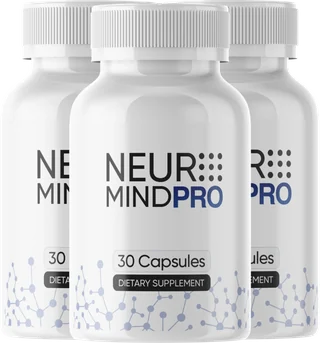
Neuro Mind Pro is a dietary supplement sold as capsules, one a day on the label image. It is not a sleep aid, not a treatment for any sleep problem, and no study has tested it.
The brand says it is designed to support “cognitive function and mental clarity”, which is the brand's wording. The label image lists no caffeine, and says to take one capsule daily with 8 oz of water, for best results 20 to 30 minutes before a meal. See how to take it and side effects. If you have a sleep problem, a doctor visit comes first.
FAQ06
Sleep and brain health questions people ask
How much sleep do adults need?
NIA says enough sleep, generally seven to nine hours, is among the steps with research support for cognitive health. We found no source giving different hours by age.
Does sleep affect memory?
NIA lists sleep among cognitive health steps. We found no source in our set that explains how sleep affects memory, so we do not describe a mechanism.
Can a medicine affect sleep and memory?
NIA says to review medicines with a provider for effects on memory, sleep and brain function. Do not stop a prescribed medicine on your own.
Is Neuro Mind Pro a sleep aid?
No. It is a dietary supplement, not a drug, and no study has tested it. The label image lists no melatonin and the brand's wording is “cognitive function and mental clarity”.
Do sources link its ingredients to sleep?
Only as listed effects. Sources list insomnia among reported effects of bacopa, rhodiola and ginseng, and drowsiness with L-theanine and sleep medicines. For bacopa and ginseng they describe larger amounts than the capsule carries.
Should I tell my doctor about sleep supplements?
Yes. NCCIH says to tell your health care providers if you use a complementary approach for a sleep problem.
FAQ07
Neuro Mind Pro questions people ask
How much sleep do adults need?
NIA says enough sleep, generally seven to nine hours, is among the steps with research support for cognitive health. We found no source giving different hours by age.
Does sleep affect memory?
NIA lists sleep among cognitive health steps. We found no source in our set that explains how sleep affects memory, so we do not describe a mechanism.
Can a medicine affect sleep and memory?
NIA says to review medicines with a provider for effects on memory, sleep and brain function. Do not stop a prescribed medicine on your own.
Is Neuro Mind Pro a sleep aid?
No. It is a dietary supplement, not a drug, and no study has tested it. The label image lists no melatonin and the brand's wording is “cognitive function and mental clarity”.
Do sources link its ingredients to sleep?
Only as listed effects. Sources list insomnia among reported effects of bacopa, rhodiola and ginseng, and drowsiness with L-theanine and sleep medicines. For bacopa and ginseng they describe larger amounts than the capsule carries.
Should I tell my doctor about sleep supplements?
Yes. NCCIH says to tell your health care providers if you use a complementary approach for a sleep problem.
Who wrote this08
Written and reviewed by
Pages built from the bottle label and linked NIH, CDC, FDA, FTC and peer-reviewed sources.
Last updated . Read our editorial standards and how we check reviews. This website is the information site of a U.S. retail partner for Neuro Mind Pro. It is not the manufacturer, and it is not the sales page where orders are placed. We earn money when you buy through our order links.
Keep reading
More about Neuro Mind Pro
U.S. retail partner
Ready to try Neuro Mind Pro?
Read the panel on your bottle, check with your pharmacist if you take any medicine, then pick a pack. Every pack comes with a money-back guarantee; confirm the window and terms at checkout.
- Order on the sales page
- Money-back guarantee (confirm the window)
- Shipping shown at checkout