Guides
Brain Health Supplement Guides: Memory, Brain Fog, Sleep and Evidence
These brain health supplement guides cover four plain-language topics: brain fog, memory and aging, sleep, and how to judge evidence for cognitive supplements. Each one rests on public health sources and sends memory worries to a doctor. None of them says Neuro Mind Pro treats a condition, and no study has tested it.
Written by the Neuro Mind Pro label deskUpdated
About the guides01
What are these brain health supplement guides?
Four short reads on the questions people bring to a cognitive supplement: what is going on with my memory, what should I do about brain fog, does sleep matter, and what do studies actually show.
They sit beside the Neuro Mind Pro product pages but do not depend on them. The guides explain the topic first. The product pages then show what a Neuro Mind Pro capsule label lists, so you can set the two side by side.
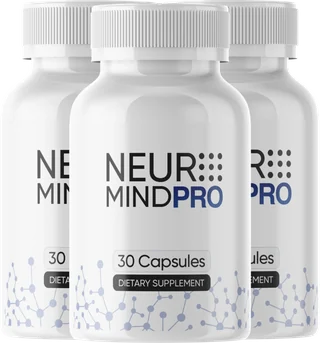
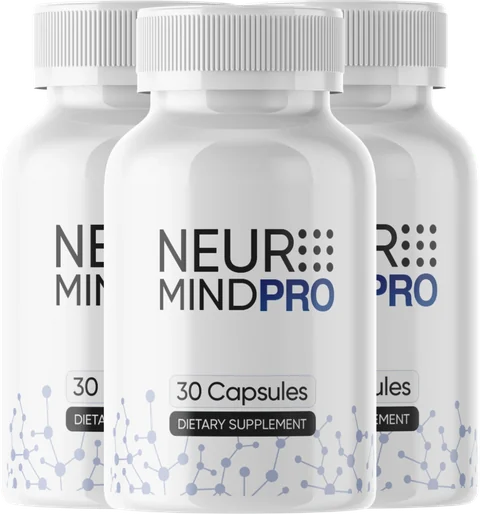
Neuro Mind Pro is a dietary supplement sold as capsules. The brand describes it as designed to support “cognitive function and mental clarity”, wording we quote only as the brand's. We found no study of the product, and nothing in the guides says it treats or prevents any condition.
The medical review slot on each guide stays empty until a qualified reviewer checks the page. The editorial standards show how we choose and read sources.
The four guides02
Which guide should you read first?
Start with the one that matches your question. If memory or thinking has changed in a way that worries you, start with the memory guide and then book a visit.
Brain fog basics
Brain fog is a description, not a diagnosis. The guide covers common causes, what to track and when to see a doctor.
Memory and aging
Normal forgetfulness compared with warning signs, and what to bring to an appointment.
Sleep and brain health
How much sleep adults are advised to get, habits that help and why a persistent sleep problem is a doctor topic.
Cognitive supplements
What public sources say about brain health supplements, how to read a study and what to ask before you buy.
Medicine check
Not a guide, but the page to read if you take any medicine. It lists cautions by ingredient and ends with "ask a pharmacist".
Compare labels
A checklist for putting any two supplement labels side by side, with Neuro Mind Pro as the worked example.
Questions and sources03
Which public sources do the memory supplement guides use?
Government health pages and reference works, linked at the point of use. We do not use ratings, forum threads or sales copy.
| Question | Guide | Main source type |
|---|---|---|
| Why does my head feel cloudy? | Brain fog basics | MedlinePlus and NCCIH pages on memory loss and causes (MedlinePlus, Memory loss) |
| Is this normal forgetfulness? | Memory and aging | NIA warning signs of memory problems (NIA, Memory Problems, Forgetfulness, and Aging) |
| Does sleep matter? | Sleep and brain health | NIA steps for cognitive health (NIA, Cognitive Health and Older Adults), NCCIH sleep page (NCCIH, Sleep Disorders and Complementary Health Approaches) |
| Do supplements help? | Cognitive supplements | NCCIH cognition and supplements (NCCIH, 7 Things To Know About Dietary Supplements for Cognitive Function, Dementia, and Alzheimer’s Disease), FDA and FTC pages |
| Will it clash with my medicine? | Medicine check | FDA on mixing medicines and supplements (FDA, Mixing Medications and Dietary Supplements Can Endanger Your Health) |
Sources are read on the date shown at the foot of each page. They change, so open the original link before you rely on a detail.
The evidence frame04
What do health sources say about supplements for memory?
They say the direct evidence is not there. NCCIH says direct evidence is lacking that supplements can prevent Alzheimer's or other dementias, and NIA says no vitamin or supplement is recommended for preventing cognitive decline.
Those two statements are the frame for every guide (NCCIH, 7 Things To Know About Dietary Supplements for Cognitive Function, Dementia, and Alzheimer’s Disease) (NIA, Cognitive Health and Older Adults). NCCIH's digest does not cover bacopa, rhodiola, L-theanine, ginseng or BCAAs for cognition (NCCIH Clinical Digest, Dietary Supplements and Cognitive Function: What the Science Says), so it neither backs nor rules out the five Neuro Mind Pro lines.
What the guides can do is show the studied amounts for single ingredients and set the capsule amounts beside them. A review gives 10 to 20 g a day as a common BCAA supplement amount against 270 mg per capsule (Holeček 2022, Side Effects of Amino Acid Supplements). StatPearls gives 300 to 450 mg of bacopa extract a day against 100 mg (StatPearls, Bacopa monnieri). See the claims versus evidence page and the blend and amounts page.
What the sources name05
What do the guides suggest instead of a pill?
The steps with research support are ordinary ones: sleep, activity, blood pressure and medicine checks, and a doctor when something changes.
- Sleep enoughNIA lists enough sleep, generally seven to nine hours, among the steps with research support for cognitive health. (NIA, Cognitive Health and Older Adults)
- Keep movingPhysical activity is on the same NIA list of steps with research support. (NIA, Cognitive Health and Older Adults)
- Manage blood pressure and other conditionsNIA lists managing blood pressure and other chronic conditions. Keep up the checks your doctor sets. (NIA, Cognitive Health and Older Adults)
- Eat wellA healthy diet is on the NIA list. A supplement is not a substitute for it. (NIA, Cognitive Health and Older Adults)
- Review your medicinesNIA says to review medicines with a provider for effects on memory, sleep and brain function. Bring every supplement to that review. (NIA, Cognitive Health and Older Adults) (FDA, Mixing Medications and Dietary Supplements Can Endanger Your Health)
- See a doctor about memory problemsTreatable causes exist, including depression, bad reactions to medicines and thyroid, liver or kidney problems. A supplement is not a reason to wait. (NCCIH, 7 Things To Know About Dietary Supplements for Cognitive Function, Dementia, and Alzheimer’s Disease) (MedlinePlus, Memory loss)
When to see a doctor06
When should memory worries go to a doctor and not a guide?
Sooner than you think. A guide cannot examine you, and a supplement is not a reason to wait.
- See a doctor soonAsking the same questions again and again, getting lost in places you know, trouble following recipes or directions, or growing confusion about time, people and places.
- Also worth a visitTrouble with tasks you have always done, or a change in personality or behavior that people around you notice.
- Stop and call your doctorA racing or uneven heartbeat, a severe headache, a rash, yellow skin or eyes, dark urine or other new symptoms after starting any supplement.
- Emergency room or 911Sudden confusion, trouble speaking, a drooping face, weakness on one side, or a sudden severe headache. These can be signs of a stroke.
Signs drawn from public health and clinic sources (NIA, Memory Problems, Forgetfulness, and Aging) (MedlinePlus, Memory loss) (NCCIH, 7 Things To Know About Dietary Supplements for Cognitive Function, Dementia, and Alzheimer’s Disease). This list is not complete, and a supplement is never a reason to wait.
Treatable causes of memory problems include depression, bad reactions to medicines and thyroid, liver or kidney problems (NCCIH, 7 Things To Know About Dietary Supplements for Cognitive Function, Dementia, and Alzheimer’s Disease). Only a doctor can sort them out. Bring a list of everything you take, supplements included, and a dated note of what you have noticed. A pharmacist can check the list for clashes before the visit.
Using the guides07
How do you use the guides well?
Read for questions to ask, not for answers to act on. Each guide ends with what to take to your doctor or pharmacist.
Pick the question
Choose the guide that fits what you actually noticed, and read the sources it links.
Write down what you notice
Dates, times of day, sleep, medicines and anything that changed. A dated note helps a doctor more than a general worry.
Check supplements against the label
If you are weighing a product, start with the supplement facts page and the ingredients page and read your own bottle.
Ask a professional
Take the notes to a doctor or pharmacist. Keep taking prescribed medicine. FDA advises talking to a provider before mixing supplements with medicines (FDA, Mixing Medications and Dietary Supplements Can Endanger Your Health).
Questions about a guide go to [email protected]. Tracking and refunds on placed orders go to the order desk on +1 (877) 257-0710.
FAQ08
Neuro Mind Pro questions people ask
What do the brain health supplement guides cover?
Four topics: brain fog basics, memory and aging, sleep and brain health, and how to judge evidence for cognitive supplements. Each rests on public health sources and sends memory worries to a doctor.
Do the guides say Neuro Mind Pro works?
No. No study has tested Neuro Mind Pro, and the guides do not say it prevents or treats any condition. The brand's wording, “cognitive function and mental clarity”, is quoted only as the brand's.
Are the guides medical advice?
No. They are general information for adults. A doctor sorts out memory or thinking problems, and a pharmacist can check a supplement against your medicines.
Who reviews the guides?
The medical reviewer slot is empty until a qualified reviewer checks the pages. No reviewer is named yet, and we do not invent one.
Which guide should I read for brain fog?
Start with the brain fog basics guide. Brain fog is a description and not a diagnosis, so the guide covers common causes, what to track and when to see a doctor.
Where do the guides get their facts?
From NIH pages such as NCCIH, NIA and MedlinePlus, FDA and FTC pages and reference works such as StatPearls and LiverTox, each linked where it is used.
Can I rely on the guides if I take medicine?
Use them to prepare questions. Keep taking prescribed medicine, and show the supplement label to a pharmacist first. Never stop or change a medicine because of a guide.
Who wrote this09
Written and reviewed by
Pages built from the bottle label and linked NIH, CDC, FDA, FTC and peer-reviewed sources.
Last updated . Read our editorial standards and how we check reviews. This website is the information site of a U.S. retail partner for Neuro Mind Pro. It is not the manufacturer, and it is not the sales page where orders are placed. We earn money when you buy through our order links.
Keep reading
More about Neuro Mind Pro
U.S. retail partner
Ready to try Neuro Mind Pro?
Read the panel on your bottle, check with your pharmacist if you take any medicine, then pick a pack. Every pack comes with a money-back guarantee; confirm the window and terms at checkout.
- Order on the sales page
- Money-back guarantee (confirm the window)
- Shipping shown at checkout