Guide
Brain Fog Basics: What It Means, Common Causes and When to See a Doctor
Brain fog is an everyday phrase for feeling slow, forgetful or unable to think clearly. It is not a diagnosis. Public health sources list many treatable causes, from depression to medicine reactions to thyroid problems, so a doctor visit comes first. No supplement is a substitute for that visit.
Written by the Neuro Mind Pro label deskUpdated
The term01
What is brain fog?
Brain fog is a phrase people use for a hazy, slow or forgetful stretch: trouble finding words, losing a train of thought, or feeling that thinking takes effort. It describes how you feel. It does not name a cause.
We found no government health page in our source set that defines brain fog as a medical condition. The closest sources cover forgetfulness. MedlinePlus defines memory loss as unusual forgetfulness and says normal aging can cause some forgetfulness but does not lead to dramatic memory loss (MedlinePlus, Memory loss). The National Institute on Aging (NIA) calls occasional slips, such as misplacing things or taking longer to learn something new, usually signs of mild forgetfulness (NIA, Memory Problems, Forgetfulness, and Aging).
A phrase with no fixed definition can be tied to almost any product. When an ad mentions brain fog, ask what cause it has in mind, because treatment depends on the cause (MedlinePlus, Memory loss).
Causes02
What causes brain fog?
The sources we read give no single cause. They list many, and several can be treated once a doctor finds them.
NCCIH names depression, bad reactions to medicines, and thyroid, liver or kidney problems as conditions that can impair memory (NCCIH, 7 Things To Know About Dietary Supplements for Cognitive Function, Dementia, and Alzheimer’s Disease). MedlinePlus gives a longer list for memory loss. The table sorts items from those two pages. It is not a self-diagnosis list.
| Group | Examples the source names | Source |
|---|---|---|
| Mood and mental health | Depression and other mental health problems | (NCCIH, 7 Things To Know About Dietary Supplements for Cognitive Function, Dementia, and Alzheimer’s Disease) (MedlinePlus, Memory loss) |
| Medicines and substances | Bad reactions to medicines, overuse of some medicines, alcohol, prescription or illegal drugs | (NCCIH, 7 Things To Know About Dietary Supplements for Cognitive Function, Dementia, and Alzheimer’s Disease) (MedlinePlus, Memory loss) |
| Hormone and organ conditions | Thyroid, liver or kidney problems | (NCCIH, 7 Things To Know About Dietary Supplements for Cognitive Function, Dementia, and Alzheimer’s Disease) |
| Nutrient levels | Low vitamin B1 or B12 | (MedlinePlus, Memory loss) |
| Infection and brain conditions | Infections, stroke, brain injury, uncontrolled epilepsy, dementia | (MedlinePlus, Memory loss) |
Sleep, stress and long illness are common guesses online. We found no source in our set that ties brain fog to them. For what NIA says about sleep, see sleep and brain health.
When to get help03
When should you see a doctor about brain fog?
See a doctor if the fog is new, lasts, gets worse, or interferes with daily life. See one at once for sudden confusion or the other emergency signs below.
NIA lists signs that it may be time to talk with a doctor: asking the same questions over and over, getting lost in familiar places, trouble following recipes or directions, growing confusion about time, people and places, and not taking care of yourself (NIA, Memory Problems, Forgetfulness, and Aging).
- See a doctor soonAsking the same questions again and again, getting lost in places you know, trouble following recipes or directions, or growing confusion about time, people and places.
- Also worth a visitTrouble with tasks you have always done, or a change in personality or behavior that people around you notice.
- Stop and call your doctorA racing or uneven heartbeat, a severe headache, a rash, yellow skin or eyes, dark urine or other new symptoms after starting any supplement.
- Emergency room or 911Sudden confusion, trouble speaking, a drooping face, weakness on one side, or a sudden severe headache. These can be signs of a stroke.
Signs drawn from public health and clinic sources (NIA, Memory Problems, Forgetfulness, and Aging) (MedlinePlus, Memory loss) (NCCIH, 7 Things To Know About Dietary Supplements for Cognitive Function, Dementia, and Alzheimer’s Disease). This list is not complete, and a supplement is never a reason to wait.
A provider usually starts with your history. MedlinePlus says the provider may order blood tests, such as B12 or thyroid levels, cognitive tests or brain imaging, and that treatment depends on the cause (MedlinePlus, Memory loss). Bring a list of every medicine and supplement you use.
A plan04
What should you do first?
Start with a record and a visit, not with a product.
Write down what you notice
Note when the fog happens, how long it lasts, what you were doing, and what changed lately. Include new medicines, supplements and illnesses.
List everything you take
Write each prescription, over-the-counter medicine and supplement with its amount. NIA says to review medicines with a provider for effects on memory, sleep and brain function (NIA, Cognitive Health and Older Adults). FDA adds that some supplements change how a medicine is absorbed (FDA, Mixing Medications and Dietary Supplements Can Endanger Your Health).
Book the visit
Ask about the causes listed above. NCCIH says not to use a complementary approach as a reason to postpone seeing a provider (NCCIH, 7 Things To Know About Dietary Supplements for Cognitive Function, Dementia, and Alzheimer’s Disease).
Everyday steps05
What steps do health sources name for brain health?
NIA names sleep, activity, a healthy diet and blood pressure care among the steps with research support for cognitive health (NIA, Cognitive Health and Older Adults).
- Sleep enoughNIA lists enough sleep, generally seven to nine hours, among the steps with research support for cognitive health. (NIA, Cognitive Health and Older Adults)
- Keep movingPhysical activity is on the same NIA list of steps with research support. (NIA, Cognitive Health and Older Adults)
- Manage blood pressure and other conditionsNIA lists managing blood pressure and other chronic conditions. Keep up the checks your doctor sets. (NIA, Cognitive Health and Older Adults)
- Eat wellA healthy diet is on the NIA list. A supplement is not a substitute for it. (NIA, Cognitive Health and Older Adults)
- Review your medicinesNIA says to review medicines with a provider for effects on memory, sleep and brain function. Bring every supplement to that review. (NIA, Cognitive Health and Older Adults) (FDA, Mixing Medications and Dietary Supplements Can Endanger Your Health)
- See a doctor about memory problemsTreatable causes exist, including depression, bad reactions to medicines and thyroid, liver or kidney problems. A supplement is not a reason to wait. (NCCIH, 7 Things To Know About Dietary Supplements for Cognitive Function, Dementia, and Alzheimer’s Disease) (MedlinePlus, Memory loss)
Supplements06
Do supplements help with brain fog?
We found no source that shows a supplement clears brain fog. The sources we read speak about memory and dementia, and they are cautious.
NCCIH says many supplements are promoted with claims about memory and brain function, and that “direct evidence that dietary supplements can prevent Alzheimer’s disease or other forms of dementia is lacking” (NCCIH, 7 Things To Know About Dietary Supplements for Cognitive Function, Dementia, and Alzheimer’s Disease). NIA says no vitamin or supplement is recommended for preventing Alzheimer's or other forms of cognitive decline (NIA, Cognitive Health and Older Adults). The pages we read do not cover bacopa, rhodiola, L-theanine, ginseng or BCAAs (NCCIH Clinical Digest, Dietary Supplements and Cognitive Function: What the Science Says).
FDA does not approve supplements before they are sold (FDA, Questions and Answers on Dietary Supplements). Be wary of products that promise a quick fix or claim to do it all, which FDA lists among the tip-offs to health fraud (FDA, 6 Tip-offs to Rip-offs (health fraud)).
FDA says so (FDA, Mixing Medications and Dietary Supplements Can Endanger Your Health). Tell your doctor or pharmacist before you add any supplement.
Neuro Mind Pro07
Where does Neuro Mind Pro fit?
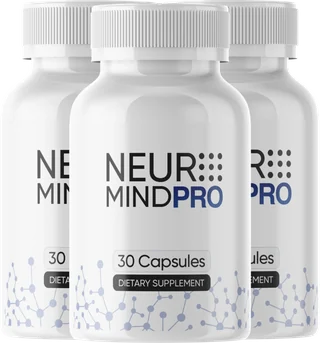
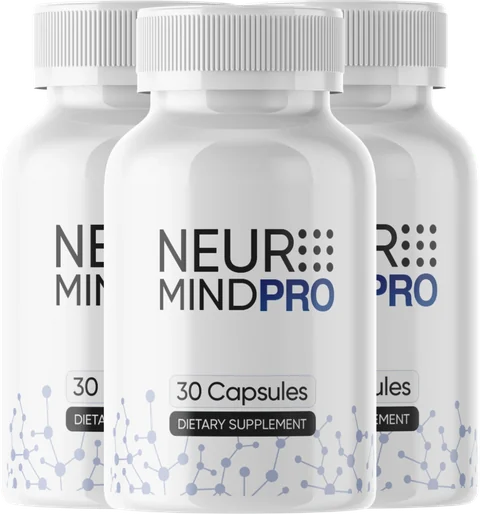
Neuro Mind Pro is a dietary supplement sold as capsules. It is not a treatment for brain fog or for any condition, and no study has tested it.
The brand says it is designed to support “cognitive function and mental clarity”, which is the brand's wording. The label image supplied to us lists five lines per capsule: a BCAA blend 270 mg, bacopa extract 100 mg, rhodiola extract 50 mg, L-theanine 50 mg and Panax ginseng extract 45 mg. For BCAAs, bacopa and ginseng, our sources describe larger amounts than the capsule carries. See the ingredients page and the medicine check before you decide. A doctor visit comes before any capsule.
FAQ08
Brain fog questions people ask
Is brain fog a medical condition?
Brain fog is a phrase for feeling hazy or forgetful. We found no government health page in our sources that defines it as a diagnosis. A doctor looks for the cause.
What causes brain fog?
No single cause. Sources list depression, bad reactions to medicines, thyroid, liver or kidney problems, low B1 or B12 and infections as conditions that can impair memory.
When should I see a doctor about brain fog?
When it is new, lasts, gets worse or affects daily life. Call 911 for sudden confusion, trouble speaking, a drooping face or weakness on one side.
Can a supplement clear brain fog?
We found no source showing that. NCCIH says direct evidence for prevention of dementia is “lacking”, and NIA recommends no supplement for that purpose.
Is Neuro Mind Pro a brain fog treatment?
No. It is a dietary supplement, not a drug, and no study has tested it. The brand says it is designed to support “cognitive function and mental clarity”.
Should I tell my doctor about supplements?
Yes. FDA says supplements can change how a medicine is absorbed. Bring a list of everything you take and keep taking prescribed medicine.
FAQ09
Neuro Mind Pro questions people ask
Is brain fog a medical condition?
Brain fog is a phrase for feeling hazy or forgetful. We found no government health page in our sources that defines it as a diagnosis. A doctor looks for the cause.
What causes brain fog?
No single cause. Sources list depression, bad reactions to medicines, thyroid, liver or kidney problems, low B1 or B12 and infections as conditions that can impair memory.
When should I see a doctor about brain fog?
When it is new, lasts, gets worse or affects daily life. Call 911 for sudden confusion, trouble speaking, a drooping face or weakness on one side.
Can a supplement clear brain fog?
We found no source showing that. NCCIH says direct evidence for prevention of dementia is “lacking”, and NIA recommends no supplement for that purpose.
Is Neuro Mind Pro a brain fog treatment?
No. It is a dietary supplement, not a drug, and no study has tested it. The brand says it is designed to support “cognitive function and mental clarity”.
Should I tell my doctor about supplements?
Yes. FDA says supplements can change how a medicine is absorbed. Bring a list of everything you take and keep taking prescribed medicine.
Who wrote this10
Written and reviewed by
Pages built from the bottle label and linked NIH, CDC, FDA, FTC and peer-reviewed sources.
Last updated . Read our editorial standards and how we check reviews. This website is the information site of a U.S. retail partner for Neuro Mind Pro. It is not the manufacturer, and it is not the sales page where orders are placed. We earn money when you buy through our order links.
Keep reading
More about Neuro Mind Pro
U.S. retail partner
Ready to try Neuro Mind Pro?
Read the panel on your bottle, check with your pharmacist if you take any medicine, then pick a pack. Every pack comes with a money-back guarantee; confirm the window and terms at checkout.
- Order on the sales page
- Money-back guarantee (confirm the window)
- Shipping shown at checkout