Guide
Brain Health Supplements: What the Evidence Covers and What to Ask Before You Buy
Brain health supplements are sold with memory and focus wording, but NCCIH says direct evidence for prevention of dementia is “lacking”, and NIA recommends none for that purpose. FDA does not approve them before sale. Check any claim against a source, and ask a pharmacist about medicines first.
Written by the Neuro Mind Pro label deskUpdated
The category01
What are brain health supplements?
They are dietary supplements marketed for memory, focus or mental clarity. Some are called nootropics. The word has no legal definition in our sources, and what matters is what is in the bottle and what studies exist.
NCCIH notes: “Many dietary supplements are promoted with claims that they can enhance memory or improve brain function and health.” (NCCIH, 7 Things To Know About Dietary Supplements for Cognitive Function, Dementia, and Alzheimer’s Disease). A supplement is not a medicine. NIH's Office of Dietary Supplements says supplements “are not medicines” and are not meant to treat or prevent disease (NIH ODS, Dietary Supplements: What You Need to Know). A label may describe how an ingredient affects the normal structure or function of the body, but it must say FDA has not evaluated the claim, and only a drug may claim to treat or prevent disease (FDA, Structure/Function Claims).
What studies show02
Do brain health supplements work?
For prevention of dementia or cognitive decline, the sources we read say the evidence is lacking or that nothing is recommended. They study a short list of ingredients, and bacopa, rhodiola, L-theanine, ginseng and BCAAs are not on it.
| Source | What it says | Covers |
|---|---|---|
| NCCIH, 7 things to know (NCCIH, 7 Things To Know About Dietary Supplements for Cognitive Function, Dementia, and Alzheimer’s Disease) | A few trials of natural products showed “some modest effects”, but “direct evidence that dietary supplements can prevent Alzheimer’s disease or other forms of dementia is lacking” | Ginkgo, omega-3, vitamin E, curcumin, B vitamins |
| NIA, cognitive health (NIA, Cognitive Health and Older Adults) | No vitamin or supplement is recommended for preventing Alzheimer's or other forms of cognitive decline | Supplements in general; mentions a daily multivitamin |
| NCCIH clinical digest (NCCIH Clinical Digest, Dietary Supplements and Cognitive Function: What the Science Says) | No conclusive evidence for ginkgo; multivitamins or high doses of single vitamins show no clear cognitive benefit in well-nourished people | Ginkgo, omega-3, vitamin E, curcumin, B vitamins |
Because the pages do not cover the five Neuro Mind Pro lines, they neither back nor rule out those lines. For each ingredient, the individual pages show what a public source says: bacopa, rhodiola, L-theanine, Panax ginseng and the BCAA blend.
Judging a claim03
How do you judge a brain supplement claim?
Ask five questions. A label that cannot answer them is telling you something.
What kind of study is behind it?
The FTC says randomized, controlled human clinical trials are the most reliable form of evidence, and that animal and lab studies, testimonials and general public health advice are not enough on their own (FTC, Health Products Compliance Guidance).
Was the amount in the study the amount in the bottle?
Studied amounts often differ from label amounts. Look for the dose, the length of the study and the type of extract.
Does the label list each amount?
Federal rules let a proprietary blend list one total weight (21 CFR 101.36 (eCFR), Supplement Facts and proprietary blends). A total does not tell you what each ingredient contributes.
Do the claims sound too good?
FDA's tip-offs to health fraud include “one product does it all”, personal success stories (online reviews can be fake), quick fixes and guaranteed results (FDA, 6 Tip-offs to Rip-offs (health fraud)).
What does a seal mean?
NIH says seals from ConsumerLab.com, NSF International and U.S. Pharmacopeia indicate quality testing, but they do not guarantee that a product is safe or effective (NIH ODS, Dietary Supplements: What You Need to Know). NCCIH adds that words such as standardized, verified or certified do not necessarily guarantee quality (NCCIH, Using Dietary Supplements Wisely).
Safety04
What are the safety checks before you start?
Show the label to a pharmacist, and keep taking prescribed medicine.
FDA says some supplements change how a medicine is absorbed, metabolized or cleared, so you may get too much or too little of it, and that natural does not always mean safe (FDA, Mixing Medications and Dietary Supplements Can Endanger Your Health). It also says a provider may ask you to stop supplements two or three weeks before surgery (FDA, Mixing Medications and Dietary Supplements Can Endanger Your Health). NCCIH says many supplements have not been tested in pregnant women, nursing mothers or children (NCCIH, Using Dietary Supplements Wisely). FDA does not approve supplements before they are sold, and anyone may report an adverse event to FDA (FDA, Questions and Answers on Dietary Supplements).
FDA has warned consumers not to buy or use any tianeptine product. Sold as a nootropic or supplement, tianeptine is not approved for any medical use, and FDA has received reports of seizures, loss of consciousness and death (FDA, Warning on tianeptine products). The Neuro Mind Pro label lists no tianeptine.
Neuro Mind Pro05
How does Neuro Mind Pro compare with studied amounts?
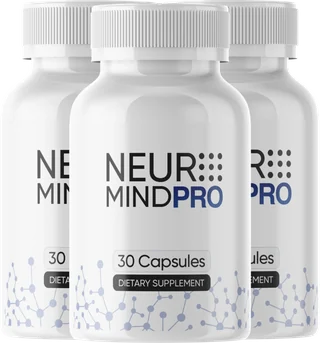
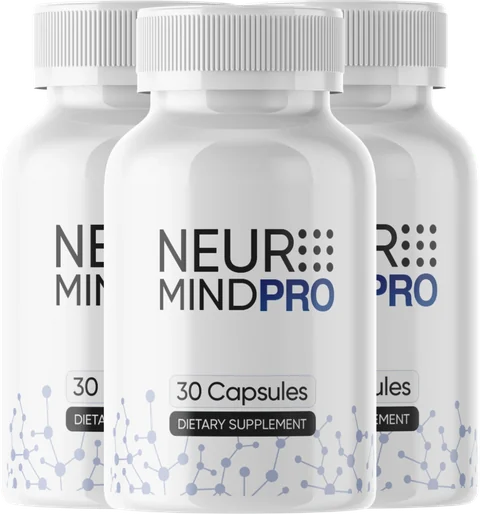
Neuro Mind Pro is a dietary supplement sold as capsules. It is not a treatment for any condition, and no study has tested it.
The brand says it is designed to support “cognitive function and mental clarity”, which is the brand's wording. For three of the five label lines the amount is below the amounts our sources describe, and for rhodiola and L-theanine our sources give no studied amount.
The comparison. A 2022 review says a common BCAA supplement amount is 10 to 20 g a day. The bar uses the low end, 10 g. At 20 g the label amount is 1.35%. (Holeček 2022, Side Effects of Amino Acid Supplements)
Read it with care. The studied amount comes from a different product, group and time span. It is not a recommended or effective dose, and no trial tested Neuro Mind Pro.
The comparison. StatPearls gives 300 to 450 mg a day of extract and LiverTox gives 300 to 600 mg. The bar uses 300 mg, the low end of both. The label amount is 22% to 33% of 300 to 450 mg. (StatPearls, Bacopa monnieri) (LiverTox, Bacopa monnieri)
Read it with care. The studied amount comes from a different product, group and time span. It is not a recommended or effective dose, and no trial tested Neuro Mind Pro.
The comparison. LiverTox gives a recommended daily range from about 100 mg to over 1,000 mg depending on product form and use. The bar uses the low end, 100 mg. (LiverTox, Ginseng)
Read it with care. The studied amount comes from a different product, group and time span. It is not a recommended or effective dose, and no trial tested Neuro Mind Pro.
Each full bar is the daily amount used in the one study or reference we cite. The filled part is the label amount per capsule, set against the low end of the range the source gives. Rhodiola and L-theanine have no bar: the pages we cite give no studied amount. Extract types and standardization differ between studies and the label, so even this comparison is rough, and a studied amount is not a recommended one.
The studies used other products, groups and time spans, so the bars show a gap and nothing more. See the ingredients page and the medicine check.
FAQ06
Brain supplement questions people ask
Do brain health supplements work?
Sources we read say direct evidence for prevention of dementia is “lacking” (NCCIH) and that none is recommended for preventing cognitive decline (NIA). No study has tested Neuro Mind Pro.
What is a nootropic?
The word is used for products sold to affect thinking. We found no legal definition in our sources. FDA has warned about tianeptine, an unapproved drug sold as a nootropic.
Does FDA approve brain supplements?
No. FDA does not approve dietary supplements before they are marketed, and a claim about body function must carry a statement that FDA has not evaluated it.
What does the evidence say about bacopa, rhodiola and ginseng?
The NCCIH and NIA cognition pages do not cover them. Other sources describe small, short studies or limited evidence. See the individual ingredient pages.
Can I take a brain supplement with my medicines?
Ask a pharmacist first. FDA says supplements can change how a medicine is absorbed or cleared. Keep taking prescribed medicine.
Where does Neuro Mind Pro fit?
It is a capsule with five label lines, lower than the studied amounts our sources describe for BCAAs, bacopa and ginseng. It is not a treatment and no study has tested it.
FAQ07
Neuro Mind Pro questions people ask
Do brain health supplements work?
Sources we read say direct evidence for prevention of dementia is “lacking” (NCCIH) and that none is recommended for preventing cognitive decline (NIA). No study has tested Neuro Mind Pro.
What is a nootropic?
The word is used for products sold to affect thinking. We found no legal definition in our sources. FDA has warned about tianeptine, an unapproved drug sold as a nootropic.
Does FDA approve brain supplements?
No. FDA does not approve dietary supplements before they are marketed, and a claim about body function must carry a statement that FDA has not evaluated it.
What does the evidence say about bacopa, rhodiola and ginseng?
The NCCIH and NIA cognition pages do not cover them. Other sources describe small, short studies or limited evidence. See the individual ingredient pages.
Can I take a brain supplement with my medicines?
Ask a pharmacist first. FDA says supplements can change how a medicine is absorbed or cleared. Keep taking prescribed medicine.
Where does Neuro Mind Pro fit?
It is a capsule with five label lines, lower than the studied amounts our sources describe for BCAAs, bacopa and ginseng. It is not a treatment and no study has tested it.
Who wrote this08
Written and reviewed by
Pages built from the bottle label and linked NIH, CDC, FDA, FTC and peer-reviewed sources.
Last updated . Read our editorial standards and how we check reviews. This website is the information site of a U.S. retail partner for Neuro Mind Pro. It is not the manufacturer, and it is not the sales page where orders are placed. We earn money when you buy through our order links.
Keep reading
More about Neuro Mind Pro
U.S. retail partner
Ready to try Neuro Mind Pro?
Read the panel on your bottle, check with your pharmacist if you take any medicine, then pick a pack. Every pack comes with a money-back guarantee; confirm the window and terms at checkout.
- Order on the sales page
- Money-back guarantee (confirm the window)
- Shipping shown at checkout